The stories your family is about to lose are attached to somewhere real.
Storees is a shared family archive. Add a photo, write a memory, or record a story in someone’s own voice, then pin it to the exact spot it happened. The prom they walked every Sunday. The house with the blue door. The corner of the field.
A working prototype. Nothing here is live.
A pin is not one photograph. It is everything that ever happened there.
Tap a place and it opens as an album. Every wedding at that church, every summer on that beach, every birthday in that back garden, in order, across as many decades as the family goes back.
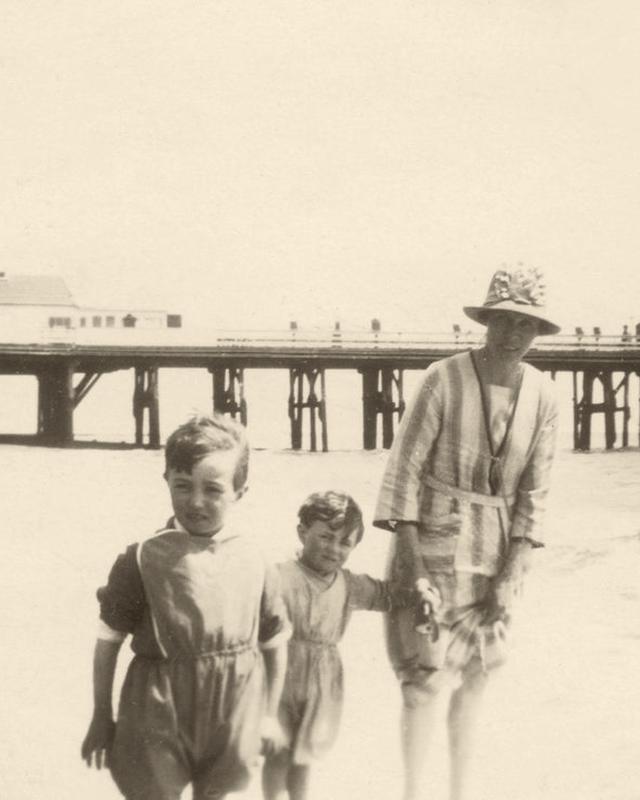
One beach. Three generations. Sixty-two years.
Because everything is pinned to where it happened, the archive puts these three on top of each other without anyone asking it to. Nobody in this family had noticed.


It is not only the big days
Weddings and christenings look after themselves. What disappears is the ordinary: the caravan you went to every year, the back garden parties, the school play where somebody forgot their line.
Ask it anything
Show me every wedding. Show me everything from 1974. Show me everything with my mother in it. Show me this beach.
Browsing by place is what makes the three photographs above find each other. Browsing by kind, by person and by year is what makes an archive of four thousand things usable instead of daunting.
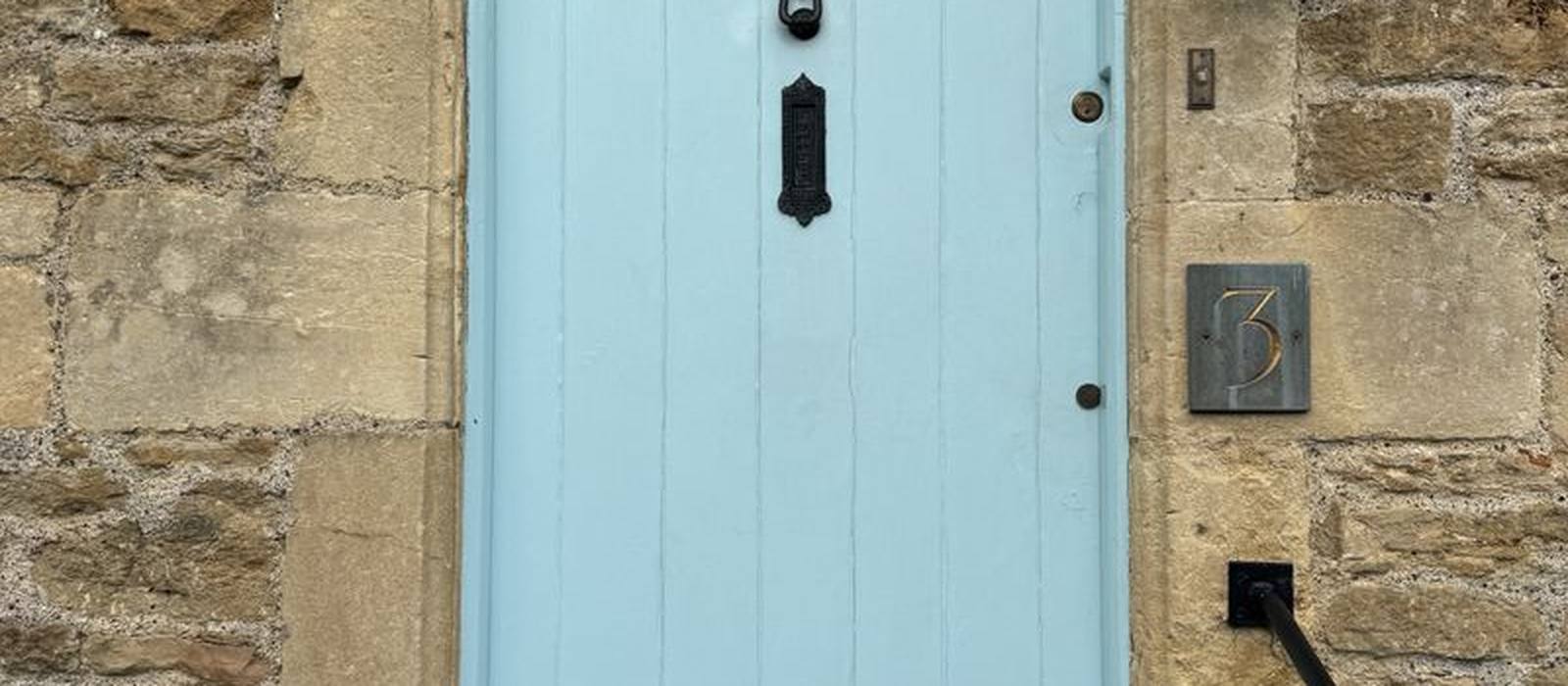
The door was blue because she painted it.
14 Bold Street, 1957 to 1998. Forty-one years, three children and one door nobody was ever allowed to change. She painted it one last time the week before they handed the keys back, which the estate agent said was unnecessary.
Most families are more travelled than they remember.
The archive is not a local thing. Benidorm every August for fourteen years. A son who went to Toronto in 1988 and came back. A grandfather in Egypt in 1943 who never talked about it. A granddaughter in Sydney now, adding to the same archive from the other side of the world.
Zoom out and you get a picture of a family’s reach that nobody in it has ever seen assembled.
Collect, anchor, resurface.
Collect
Everyone contributes, not one designated storyteller. Photos, written memories, recorded voice. Tag the people in it and they are invited in.
Anchor
Pin it to where it happened. The archive becomes a map of a life: the streets, the church, the beach you went to every August.
Resurface
An archive nobody opens is a graveyard. Storees brings things back on anniversaries, on birthdays, when someone new joins. Some things you set to open on a chosen date, or after you are gone.
Show someone their old street and watch what happens.
Because every memory has a location, Storees can open the place itself. Community mental health teams already do this informally with Street View, taking people back to the road they grew up on. Memories are tied to places more tightly than to dates, which is why the map is not decoration here. It is the mechanism.
Send us the shoebox. We will do the rest.
There is a box in the loft, or four, and somewhere in it is every photograph anyone ever took of your grandmother. Nobody starts, because the first job is three weekends of scanning and nobody has three weekends.
So do not start. Post the box to us. We scan every print in it, date what can be dated, place what can be placed, and load the whole lot into your archive. Your originals come back to you, tracked, always.
Then the family does the part only the family can do, which is saying who everyone is.
Seven reasons families choose Storees.
The whole family, not one storyteller
Everyone contributes. Tagging someone invites them, and the person who remembers the detail you need is almost never the person paying.
Every memory knows where it happened
Pinned to the actual spot, on a real map, openable at street level long after the building has gone.
Voices kept as spoken
Not transcribed and thrown away. The audio is the irreplaceable part, and for most families it is the thing nobody thought to record.
There is no finish line
No twelve month programme, no closing book. It gathers weight, and the longer it runs the less replaceable it becomes.
It works for people who will never open an app
A frame on the sideboard, a printed album, a tablet handed over on a Sunday. The archive reaches the person it is about.
Stop paying and nothing is deleted
The archive freezes, it never empties, and a full export is free forever. Most services quietly delete whatever will not fit their free tier.
Urgent now, valuable for a century
It earns its place today with a parent who is forgetting, and it is still earning it when a great-grandchild opens it.